Air Purifier Buying Guide: Breathe Easier and Shop Smarter
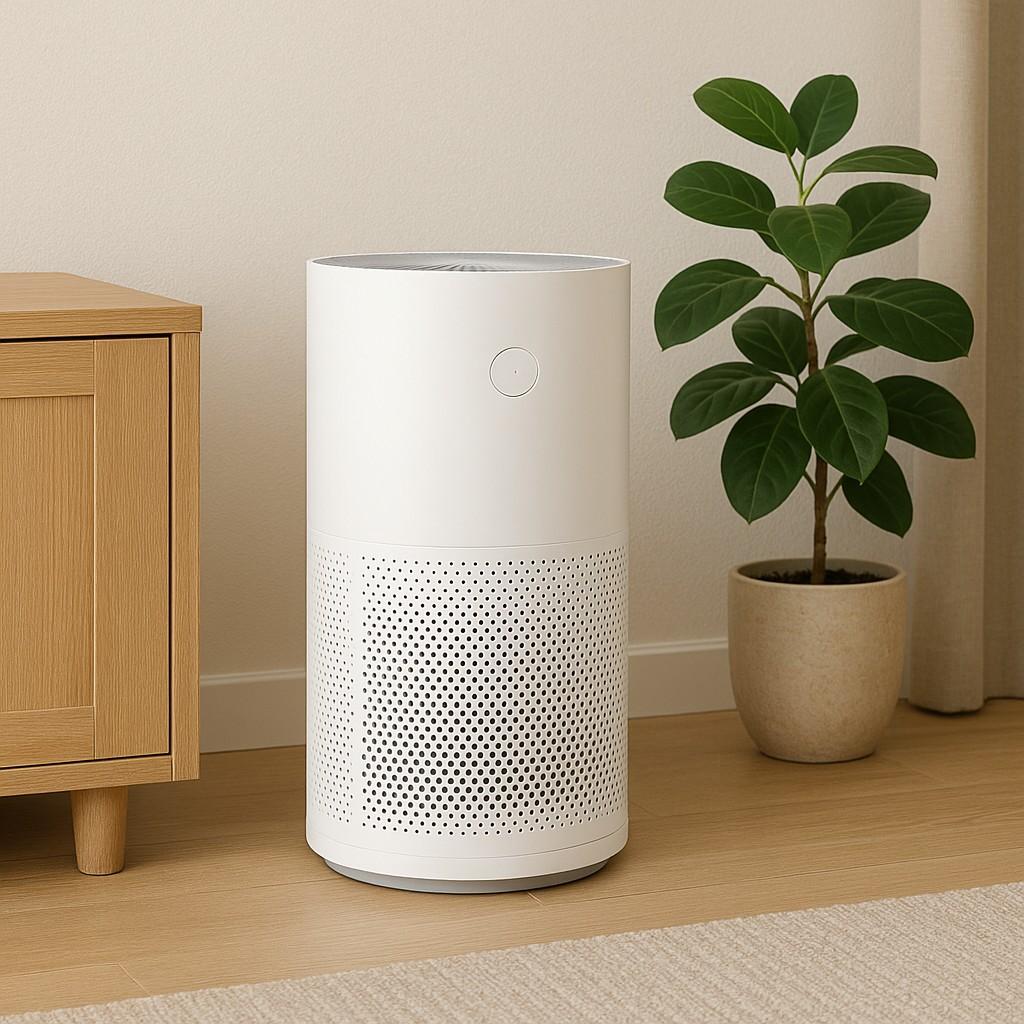
Intro
Filter Types
The filters are what do the actual cleaning. The combination of filters in a purifier determines what it can remove from your air. Let's break down the main players.
Pre-Filter: Think of this as the bouncer at the club door. It's the first line of defense, catching the big stuff like pet hair, dust bunnies, and large lint particles. This protects the more delicate and expensive filters inside, helping them last longer. (Look for models with a Washable Pre-Filter. It's a simple feature that will save you money on replacements over time.)
True HEPA vs. HEPA-Type: This is one of the most important distinctions!
True HEPA: This is the gold standard. To earn this label, a filter must be lab-tested and certified to capture 99.97% of airborne particles as small as 0.3 microns. That includes most pollen, dust mites, mold spores, and pet dander. If you or your family members have allergies or asthma, a True HEPA filter is non-negotiable.
HEPA-Type: "HEPA-Type," "HEPA-Like," or "99% HEPA" are marketing terms. These filters are better than nothing, but they do not meet the strict True HEPA standard. They might capture larger particles but will miss the ultra-fine ones that can cause the most irritation.
Activated Carbon: This is your odor and gas specialist. The carbon is treated with oxygen, which opens up millions of tiny pores. These pores trap gas and odor molecules from cooking, pets, smoke, and Volatile Organic Compounds (VOCs) like formaldehyde and benzene from new furniture or paint. If your main concern is smells or chemical pollutants, a thick carbon filter is a must.
UV-C Light: This feature is designed to be a germ-killer. A UV-C lamp inside the purifier zaps airborne bacteria and viruses, sterilizing them as they pass by. It's an added layer of protection, particularly useful during cold and flu season. Note that its effectiveness depends on the intensity of the light and how long the germs are exposed to it.
CADR
CADR might sound technical, but the concept is simple: How much clean air does the purifier produce? It's measured in Cubic Feet per Minute (CFM). A higher CADR means the unit can clean the air in a room faster or handle a larger space more effectively.
What the Numbers Mean: You'll often see CADR ratings for three particle types: Smoke, Dust, and Pollen. Smoke particles are the smallest and hardest to catch, so that number is often the most important one to look at.
How to Choose: A good rule of thumb is the 2/3 Rule. Your purifier's CADR for smoke should be at least two-thirds of your room's area in square feet.
Coverage Area
This is the manufacturer's suggestion for the maximum room size the purifier can effectively handle, measured in square feet (²).
Measure Your Space: Before you shop, grab a tape measure. Calculate your room's area by multiplying its length by its width (e.g., a room is ²).
Smarter Shopper Tip: It's always better to go bigger. If your room is 300 ², consider a purifier rated for 400 ² or more. Why? A larger unit can clean your room's air on a lower, quieter setting. A smaller unit, by contrast, would have to run on its highest (and loudest) setting just to keep up.
Particles Removed
Different purifiers target different pollutants. Think about why you're buying a purifier and match the features to your needs.
For Allergies & Asthma (Dust, Pollen, Allergens, Mold): Your hero is the True HEPA filter. This is the best technology for capturing the tiny particulates that trigger allergic reactions.
For Odors & Fumes (Odors, Smoke, VOCs, Toxins): Your champion is a substantial Activated Carbon filter. The more carbon, the better it will be at adsorbing smells from pets, kitchens, and harmful chemicals.
For General Health: A combination of a True HEPA and an Activated Carbon filter is the perfect all-around solution for tackling both particles and gases.
Noise Level
An air purifier is only useful if you can stand to have it running. Noise is measured in decibels (dB).
Understanding the Scale:
Under 30 dB: A whisper. Ideal for a bedroom.
40-50 dB: A quiet library or a refrigerator's hum. Generally fine for living spaces.
60+ dB: A normal conversation or a vacuum cleaner. This can be disruptive.
The Fine Print: The advertised noise level is almost always for the lowest fan speed. Check reviews to see what people say about the noise on medium and high settings, as that's where the real difference lies. Look for models with a dedicated Night Mode if you're a light sleeper.
Smart Features
These features are all about making your life easier.
Wi-Fi Enabled & App Control: Allows you to monitor your air quality and control the purifier from your smartphone, whether you're on the couch or away from home.
Auto Mode (Air Quality Sensor): This is a game-changer. An onboard sensor detects the level of pollutants in your air and automatically adjusts the fan speed. It saves energy and ensures the air is always clean without you having to touch it.
Voice Assistant Compatible: For the ultimate hands-free experience, some models can be controlled via Amazon Alexa or Google Assistant.
Other Features
These quality-of-life features can make a big difference in your day-to-day experience.
Filter Change Indicator: A simple light or notification that tells you when it's time to clean or replace a filter. It takes the guesswork out of maintenance and ensures your purifier is always running effectively.
Timer: Lets you run the purifier for a set amount of time (e.g., 2, 4, or 8 hours) before it automatically shuts off.
Child Lock: An essential feature for any household with curious little hands, preventing them from changing your settings.
Night Mode: Typically dims all the display lights and runs the fan on its quietest setting, making it perfect for the bedroom.