Your Ultimate Microwave Buying Guide
Intro
Wattage
- Under 700W: These are the most basic models. They're fine for reheating a cup of coffee or a small bowl of soup, but they will be noticeably slower and may struggle with cooking things evenly. Best for very light use or a tight budget.
- 700W to 900W: A solid entry-level range. Perfect for dorm rooms, small apartments, or anyone who primarily uses a microwave for popcorn, defrosting small items, and reheating single plates of food.
- 900W to 1,100W: This is the sweet spot for most households. It's powerful enough to cook and defrost efficiently without any major compromises. If you're unsure what to get, aiming for a model with around is a safe and excellent bet.
- 1,100W to 1,300W: You're entering the high-performance zone. These microwaves cook quickly and are often packed with more advanced features. Ideal for larger families or people who rely on their microwave for preparing parts of meals.
- Over 1,300W: These are the powerhouses. They're typically larger and may include premium features like convection cooking. They can handle any task you throw at them with speed and precision.
Microwave Type
Color & Finish
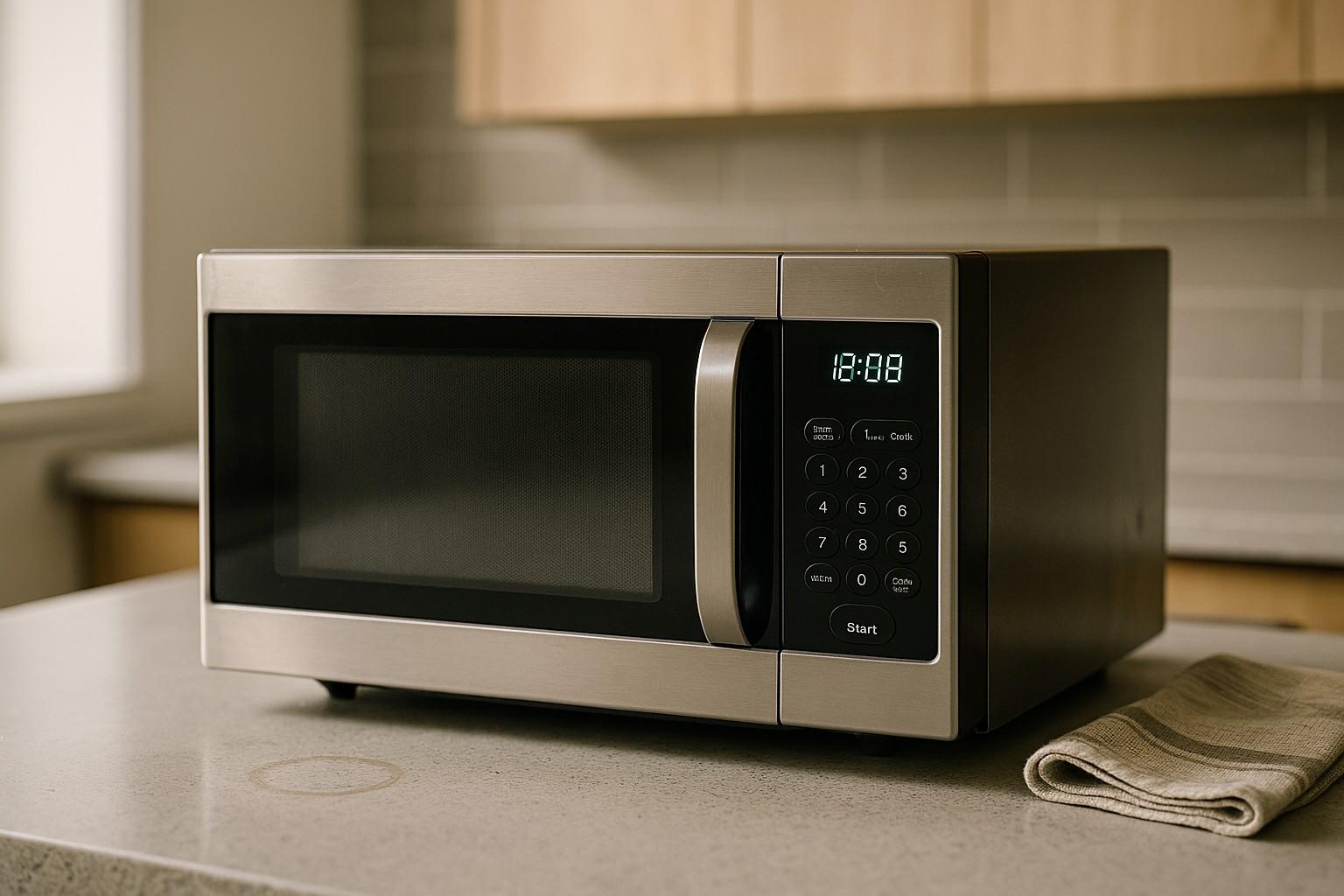
- Stainless Steel: The timeless champion. It matches most modern appliances but can be a magnet for fingerprints.
- Black / White: Classic choices that blend well with many kitchen decors. White can make a space feel brighter, while black offers a sleek, modern look.
- Black Stainless Steel: A trendier, darker take on stainless steel. Its main advantage is that it's much more resistant to showing fingerprints and smudges.
- Red / Silver: For those who want their appliance to be a statement piece. Red adds a pop of retro or bold color, while silver offers a clean, metallic look that's different from traditional stainless.
Cooking Features
- Sensor Cook: A must-have for convenience! The microwave has internal sensors that detect the amount of steam released by the food. It then automatically adjusts the cooking time and power level for perfect results. No more guesswork for baked potatoes or vegetables.
- Inverter: This is a game-changer for food quality. Standard microwaves cycle their power on and off (e.g., 50% power is full power for half the time). An Inverter delivers a continuous stream of true, lower power. This results in more even cooking, no more "lava-hot edges and frozen center," and much better defrosting.
- Convection: This feature turns your microwave into a small second oven. It uses a fan to circulate hot air, allowing you to roast, bake, and brown foods just like a conventional oven. Perfect for small batches of cookies or a roasted chicken.
- Air Fry: The trendy feature that really works! It uses intense, super-heated air to give you the crispy texture of deep-frying with a fraction of the oil. Great for french fries, chicken wings, and crispy veggies.
- Steam Cook: A healthy and simple way to cook. These models use a special container or steam function to perfectly cook fish, rice, and vegetables, preserving their nutrients and flavor.Grill / Broil: Includes a heating element at the top of the microwave to brown and crisp the surface of your food. It's perfect for melting cheese on a casserole or getting a nice finish on a piece of fish.
Capacity
Compact (Under 1.0 cu. ft.): Best for very small spaces, dorms, or an office breakroom. It will fit a coffee mug or a small plate, but not much else.
Medium (1.0 - 1.6 cu. ft.): The most popular size range. It comfortably fits a standard-sized dinner plate and is perfect for couples or small families.
Large (1.7 - 2.0 cu. ft.): Ideal for families. You can fit larger casserole dishes and other odd-shaped cookware inside. Most Over-the-Range microwaves fall into this category.
Extra-Large (2.1 cu. ft. & Up): For the serious home cook. These behemoths can often fit a 9x13 inch pan or even multiple dishes at once.
Brands
While personal preference plays a role, brands often fall into general tiers of value and features.
Value-Focused (Comfee, Black+Decker, Farberware, Commercial Chef): These brands excel at providing solid, no-frills microwaves at a great price. Perfect if you need the basics done right without breaking the bank.
Mid-Range Workhorses (GE, Toshiba, Sharp, Panasonic): This is where you'll find the best balance of price, performance, and features. They are known for reliability and often pioneer new tech (Panasonic is famous for its Inverter technology).
Premium & Specialty (Breville, Cuisinart): These brands are often considered "countertop artisans." They typically offer superior build quality, high-end materials, and advanced cooking features like convection and air frying, often with a more stylish design.
Niche (Nostalgia, Greystone): These brands often cater to specific needs. Nostalgia focuses on fun, retro designs, while Greystone often specializes in models for RVs and campers.
Smart Features
Wi-Fi: Allows you to connect your microwave to a smartphone app. You can use it to start/stop cooking remotely, get notifications when your food is done, or in some cases, scan a food's barcode to automatically download cooking instructions.
Alexa / Works with Google Assistant: Use your voice to control the microwave! Commands like, "Alexa, microwave for one minute on high," or "Hey Google, defrost 1 pound of ground beef," can add a layer of hands-free convenience.
Interior Finish
Easy-Clean Enamel (or Painted Acrylic): This is the standard finish found in most entry-level models. It's functional and gets the job done, but it can stain or chip over a long period of heavy use.
Ceramic Enamel: A significant step up. This surface is much more scratch- and stain-resistant than standard enamel. Food splatters wipe away with incredible ease, keeping your microwave looking new.
Stainless Steel: The most durable option. It won't chip, peel, or absorb odors. It gives the interior a professional look, though it can sometimes show smudges more than ceramic.