Snow Blower Buying Guide
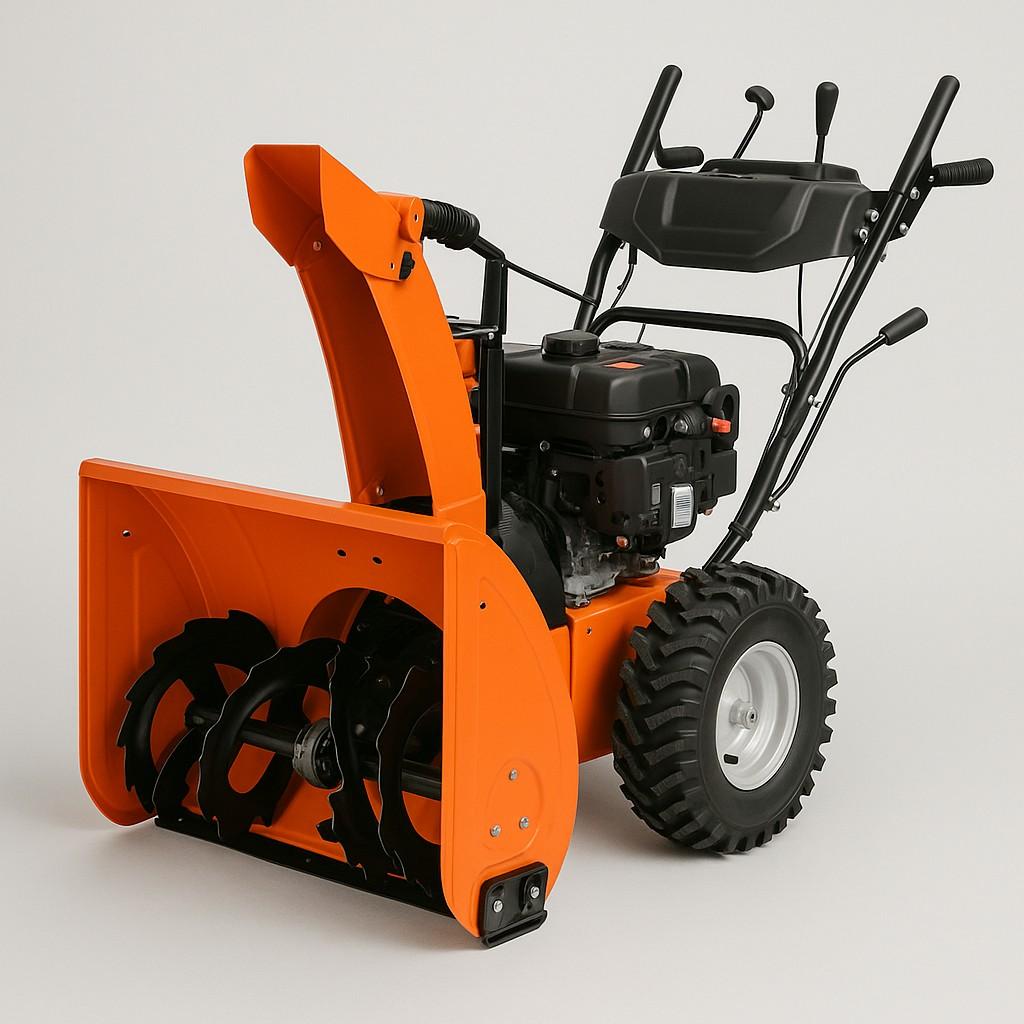
Type
The most critical decision you will make is selecting the actual mechanism the machine uses to move snow. This dictates not only how much snow you can clear, but what kind of surface you can clear it from.
- 2-Stage Snow Blower: These are the heavyweights of snow clearing. They use an auger to break up the snow and a separate impeller fan to launch it out of the chute. Because the auger does not touch the ground, these are safe for gravel driveways and can handle deep, wet snow drifts with ease.
- Single-Stage Snow Blower: Lighter and more agile, these machines use a single high-speed auger to both gather and throw the snow. The paddle typically makes contact with the ground, making them excellent for cleaning pavement right down to the asphalt, but unsuitable for gravel surfaces.
- Electric Snow Shovel: Think of this as a powered assist for manual labor. It is essentially a small auger on a stick. These are perfect for clearing decks, patios, steps, or very short walkways where a full-sized machine is too bulky to maneuver.
- Handheld Turbo Blower: While often used for leaves, high-powered air blowers can be used for light, fluffy, dry snow on cars or porches. They are ineffective against heavy, wet snow or significant accumulation.
If you have a gravel driveway or routinely get snowfalls over 12 inches, a 2-stage machine is a necessity. For paved suburban driveways with moderate snowfall, a single-stage unit is often the most efficient choice.
Power Source
The engine that drives your snow blower determines the maintenance required, the noise level, and the runtime. The market has shifted significantly in recent years, with battery technology now rivaling gas power.
- Gas: The traditional choice for maximum power and unlimited runtime. As long as you have fuel, you can keep working. However, they require engine maintenance (oil changes, spark plugs) and can be difficult to start in extreme cold if not well-maintained.
- Cordless Battery: These units are quiet, start instantly with a button press, and require zero engine maintenance. Modern high-voltage batteries offer performance similar to gas engines. The runtime is limited by how many batteries you own, making them great for typical lots but potentially limiting for massive properties.
- Corded Electric: These offer consistent power without the weight of a battery or the maintenance of a gas engine. However, you are physically tethered by an extension cord, which limits your range to roughly 100 feet from an outlet.
Choose gas if you have a massive area to clear and need raw, unstopping power. Choose cordless battery if you prioritize convenience, low noise, and ease of use.
Clearing Width
Clearing width tells you how wide of a path the machine cuts in a single pass. While a wider machine clears a driveway in fewer passes, it also makes the unit heavier and harder to store.
- Under 16 in (Shovels & Handheld): Best reserved for tight spaces, steps, and patios. These widths are too narrow for an entire driveway unless you enjoy spending a long time outside.
- 16 in to 19 in (Compact): This is the standard width for electric snow shovels and compact single-stage throwers. They are easy to maneuver between cars and store in tight garage corners.
- 20 in to 23 in (Standard): The "sweet spot" for most suburban homes. This width balances efficiency with maneuverability, allowing you to clear a two-car driveway quickly without wrestling a massive machine.
- 24 in to 30 in (Wide): Typically found on 2-stage gas or high-voltage battery machines. These are designed for large driveways and heavy drifts, significantly reducing the time it takes to clear a large area.
Don't simply buy the widest machine available; consider your storage space and gate widths. A 21-inch to 24-inch model is usually the perfect balance for the average homeowner.
Throw Distance
Throw distance measures how far the machine can eject the snow. This specification is crucial if you have a wide driveway, as you want to avoid throwing snow onto a section you have already cleared.
- Under 20 ft: Typical of electric shovels and smaller units. You may need to throw the snow forward rather than to the side to clear a full driveway.
- 20 ft to 29 ft: Adequate for single-car driveways and sidewalks. This range is common among standard single-stage electric and gas models.
- 30 ft to 39 ft: Good performance for standard suburban driveways. This allows you to throw snow from the middle of the driveway all the way to the lawn.
- 40 ft to 60 ft: High-performance territory. Found in powerful 2-stage machines, this distance is necessary for very wide driveways or parking areas where snow must be moved a significant distance to the perimeter.
Always assume the manufacturer's stated throw distance is under "ideal conditions" with light, fluffy snow. For heavy wet snow, cut the estimated distance by about 30%.
Battery Voltage
If you are choosing a cordless model, voltage is a strong indicator of the machine's torque and ability to handle heavy loads. Think of voltage as the "horsepower" of the electric world.
- 20V / 24V: These lower voltage systems are typically found in power shovels or very light-duty blowers. They share batteries with drills and saws but may struggle with deep accumulations.
- 40V / 48V (Dual 24V): The mid-range standard. These offer a good balance of weight and power, suitable for fresh snowfall on sidewalks and small driveways.
- 56V / 80V: High-performance territory. These voltages provide the torque necessary to replace gas engines, allowing the machine to grind through the plow pile at the end of the driveway without stalling.
If you live in an area with wet, heavy snow, aim for at least a 56V or 80V system. The higher voltage provides the necessary muscle to prevent the chute from clogging under load.
Features
Beyond the raw specs, specific features can turn a miserable cold morning chore into a manageable task. These quality-of-life additions are often what separate budget models from premium ones.
- Self-Propelled: A drive system moves the wheels for you. This is practically mandatory for heavy 2-stage machines, as pushing a 200lb steel beast through snow is exhausting.
- LED Headlights: Snow clearing often happens early in the morning or late at night. Bright headlights keep you safe from traffic and ensure you don't run over the newspaper or a hidden toy.
- Heated Handles: A luxury that quickly feels like a necessity. Even with gloves, hands get cold gripping steel handles; heating elements keep your fingers dexterous and comfortable.
- Electric Start: Found on gas models, this allows you to plug the machine into an outlet to start it with a button press, saving your shoulder from yanking a pull-cord in freezing temperatures.
- Brushless Motor: Relevant for electric models. Brushless motors are more efficient, last longer, and provide more torque than older brushed motors.
- Adjustable Chute Control: Look for a joystick or crank near the handles that lets you aim the snow without stopping the machine. Avoid models where you have to manually grab the chute to turn it.
If you are buying a heavy machine, prioritize self-propulsion. If you are buying an electric machine, prioritize a brushless motor for longevity.
Brands
The brand usually dictates warranty support, parts availability, and long-term reliability. In the snow blower world, there are distinct leaders for gas and distinct leaders for battery power.
- Ariens & Honda: These are the gold standards for gas-powered, 2-stage snow blowers. They are built with steel components and designed to last for decades.
- EGO & Toro (60V): The current leaders in the high-performance battery market. Their battery platforms are reliable, and the snow blowers offer gas-like performance.
- Snow Joe & Greenworks: Excellent options for budget-conscious shoppers or those with lighter snow needs. They offer a wide variety of electric shovels and single-stage throwers.
- Ryobi & Craftsman: Great choices if you are already invested in their tool ecosystems. If you already own the batteries for their lawn mowers or drills, buying the "tool only" snow blower can save you money.
Invest in a major brand where spare parts (like shear pins and belts) are easily available. Obscure brands may be cheaper upfront but can become paperweights if a small plastic part breaks.