The 10 Best 650b Bikes of 2026
- Verified Sales Volume
- Refund & Return Rates
- Real-world Performance
- Price-to-Value Ratio
- Product Ratings & Review Sentiment








Your journey to finding the perfect bike starts here. This choice influences everything from tire type to your riding posture. Let's break down the main categories.
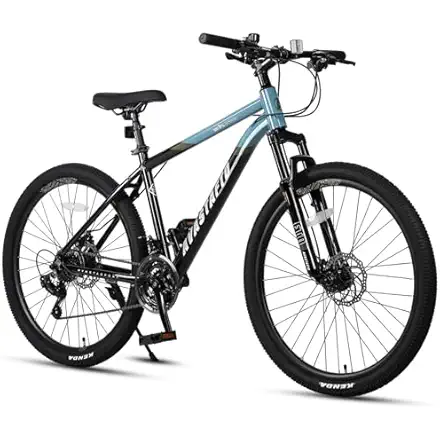
- Mountain Bike: Built tough for dirt trails and rugged terrain. These bikes feature knobby, wide tires for grip, durable frames, and almost always have some form of suspension to absorb bumps. Perfect for the adventurer who sees a dirt path as an invitation.
- Road Bike: Designed for speed on paved surfaces. With lightweight frames, skinny tires, and drop-handlebars that allow for an aerodynamic riding position, these are the sprinters of the cycling world. Ideal for fitness riding, long distances, and asphalt.
- Hybrid Bike: The jack-of-all-trades. It blends the comfort of a mountain bike with the efficiency of a road bike. Featuring a more upright riding position and tires that are a happy medium in width, it's a fantastic choice for commuters, city riders, and recreational paths.
- BMX Bike: Short for Bicycle Motocross, these are small, durable bikes built for dirt tracks, skate parks, and trick riding. They typically have a single gear and are designed for explosive power and maneuverability, not long-distance comfort.
- Cruiser Bike: The ultimate casual ride. Cruisers are all about comfort and style, featuring wide, padded saddles, high-rise handlebars for a relaxed, upright posture, and often a simple single-speed or internal hub gearing. Perfect for beach boardwalks and leisurely neighborhood rides.
Choosing the right type is like picking the right tool for the job. A mountain bike will feel sluggish on the road, and a road bike won't last long on a rocky trail. Be honest about your intended use, and you'll set yourself up for success.
Think of the frame material as the bike's personality. Is it a tough-as-nails workhorse, a nimble lightweight, or a high-tech performer? Here's the rundown.
- Steel: The classic choice. Steel is known for its strength, durability, and a comfortable ride quality, as the metal naturally dampens road vibrations. Its main drawback is weight, and it can rust if not cared for. It's a reliable and often affordable option.
- Aluminum: The most common material for modern bikes. It's lighter than steel, stiff (which means efficient power transfer when you pedal), and won't rust. The trade-off is that it can provide a harsher, more rigid ride than steel. It offers a fantastic balance of performance and price.
- Carbon Fiber: The high-performance choice. Carbon fiber is exceptionally lightweight, incredibly strong, and can be molded into any shape, allowing for advanced aerodynamics. It also does a superb job of soaking up road buzz for a comfortable ride. The catch? It's the most expensive option and can be susceptible to damage from sharp impacts.
For most recreational riders and commuters, an aluminum frame is the sweet spot, offering great value and performance. If comfort and durability on a budget are your top priorities, steel is a fantastic workhorse. Carbon fiber is for the enthusiast seeking the ultimate in lightweight performance.
To suspend or not to suspend? That is the question. The answer lies in the terrain you want to conquer. More isn't always better, as suspension adds weight and maintenance.
- No Suspension (Rigid): Simple, light, and efficient. With no moving parts to absorb your pedaling energy, all your power goes to moving the bike forward. This is ideal for road bikes, cruisers, and hybrids that will stick to pavement or smooth paths.
- Front Suspension (Hardtail): Features a suspension fork at the front to absorb impacts, while the rear of the bike is rigid. This is a great compromise, offering comfort and control for your arms and hands on bumpy roads and light trails without the weight and cost of a full suspension system. It's the standard for entry-to-mid-level mountain bikes.
- Full Suspension: As the name implies, these bikes have suspension in both the front fork and the rear of the frame. This provides maximum traction and comfort on the most demanding terrain, keeping your wheels planted on the ground over rocks and roots. This is the choice for serious mountain bikers tackling technical trails.
For city streets and bike paths, a rigid bike is all you need. If your route includes some gravel paths or potholed roads, front suspension will add a welcome dose of comfort. Reserve full suspension for true off-road adventures where control is paramount.
The number of speeds can seem daunting, but it's really about giving you the right tool for every incline and speed. Think about the topography of your area when making this choice.
- 1 Speed (Single Speed): The essence of simplicity. With no shifters or derailleurs, these bikes are lightweight, low-maintenance, and offer a pure cycling experience. They are best suited for flat terrain where you won't miss the option to shift into an easier gear.
- 2 to 7 Speeds: A great setup for casual city riding or neighborhoods with gentle, rolling hills. This range gives you enough options to make small climbs easier and to pick up some speed on the flats without being overly complex.
- 8 to 14 Speeds: This is a very versatile range that covers most people's needs. It provides a good "granny gear" for climbing steeper hills and enough high gears for fast descents or flat sections. Many modern, quality drivetrains fall into this range with a single chainring up front and a wide-range cassette in the back.
- 15 to 21 Speeds and Over 21 Speeds: These wider ranges are typically found on mountain bikes, touring bikes, and older hybrid bikes. They offer the maximum number of gear options for tackling incredibly steep, sustained climbs and varied off-road terrain.
Don't fall into the trap of thinking more gears are always better. For most riders in moderately hilly areas, a modern 8 to 12-speed setup is more than sufficient. If your world is pancake-flat, the simplicity of a single speed is hard to beat.
Going fast is fun, but stopping is mandatory. The brakes are your most important safety feature, and their performance can vary significantly, especially when the weather turns sour.
- Disc Brakes: These brakes work by squeezing a pad against a rotor mounted to the center of the wheel hub. They offer significantly more stopping power and better modulation (control) than rim brakes. Their biggest advantage is consistent performance in all weather conditions, including rain, mud, and snow. They are the modern standard for mountain bikes and are increasingly common on all other types.
- Rim Brakes: The traditional style, rim brakes work by pressing pads directly onto the rim of the wheel itself. They are lighter, mechanically simpler, and less expensive than disc brakes. However, their performance can be noticeably reduced in wet conditions, and they can cause wear on the wheel rim over time.
If you plan to ride in all conditions or want the absolute best in stopping power and control, disc brakes are the superior choice. For casual, fair-weather riders on a budget, rim brakes are still a perfectly functional and reliable option.
Electric bikes are game-changers, making cycling more accessible and fun. The motor's power, measured in watts (W), dictates hill-climbing ability and acceleration, while the battery's range determines how long the fun lasts.
- Motor Power (350W to 500W): This is the sweet spot for most riders. It provides ample power for flattening hills and getting a good boost from a standstill without feeling overwhelming. It's perfect for commuting and recreational riding.
- Motor Power (501W to 750W): This range offers a significant jump in power. These motors make very steep hills feel easy and are great for carrying heavy loads (like groceries or kids) or for riders who want more thrilling acceleration. This is often the legal limit for a bike to still be classified as a bicycle.
- Battery Range (25 - 40 Miles): A solid, versatile range that will cover most daily commutes and weekend fun rides. It's a great baseline for the average e-bike user.
- Battery Range (41 - 60 Miles and Over 60 Miles): If you're planning long-distance tours, have a very long commute, or simply hate charging things, a larger battery is a worthwhile investment. It provides peace of mind and opens up the possibility for all-day adventures.
Remember, advertised range is an estimate. Your actual mileage will vary based on terrain, rider weight, and how much you use the pedal assist. It's always smart to choose a range that's a bit more than your typical daily ride requires.
Sometimes it's the little things that make the biggest difference. These features add convenience, capability, and an extra layer of fun to your ride.
- Fender Included: If you plan on riding in anything other than perfect sunshine, fenders are a must. They block water, mud, and road grime from splashing up onto your back and legs, keeping you cleaner and drier. A commuter's best friend.
- Rear Rack Included: Essential for anyone who wants to carry more than what fits in their pockets. A rear rack allows you to attach pannier bags, a basket, or simply strap down your backpack, taking the weight off your shoulders and making your ride more comfortable.
- Folding: The ultimate space-saver. A folding bike is perfect for apartment dwellers, boat owners, or anyone who wants to combine their bike ride with a train or bus commute. They collapse down in seconds for easy storage and transport.
- Fat Tire: These oversized tires (4+ inches wide) are designed to float over soft surfaces like sand and snow. They also provide an incredibly cushioned and stable ride on any terrain, though they do require more effort to pedal on pavement due to their size and weight.
Think carefully about your daily routine. A commuter will get immense value from fenders and a rack. A city dweller with no garage might find a folding bike to be the only practical option. These features are all about adapting the bike to your life.
A bike that fits you well will be a joy to ride; one that doesn't will be a pain. Pay attention to frame geometry and wheel size to find your perfect match.
- Rider Type (Men/Women/Unisex): Traditionally, Men's frames have a high, horizontal top tube, while Women's frames have a sloped top tube or a step-through design for easier mounting and dismounting. A Unisex frame usually follows the men's pattern. However, the best bike is the one you can comfortably stand over and ride, regardless of the label.
- Wheel Size (700c): This is the standard size for road, hybrid, and most commuter bikes. It's efficient and rolls smoothly on pavement.
- Wheel Size (26, 27.5, 29 Inch): These are mountain bike wheel sizes. 26-inch is an older standard, known for being nimble. 27.5-inch (650b) is a great all-arounder, balancing agility with the ability to roll over obstacles. 29-inch wheels (or "29ers") are the best at rolling over rough terrain and maintaining momentum.
Don't get too hung up on the gender label; focus on standover height and reach. For the wheels, your choice will largely be determined by your bike type. Just know that for mountain bikes, the modern choice is between the playful 27.5-inch and the fast-rolling 29-inch.
Was this helpful?
Was this helpful?
Was this helpful?
Was this helpful?
Was this helpful?
Was this helpful?
Was this helpful?