The 10 Best Android OBD2 Scanners of 2026
- Verified Sales Volume
- Refund & Return Rates
- Real-world Performance
- Price-to-Value Ratio
- Product Ratings & Review Sentiment






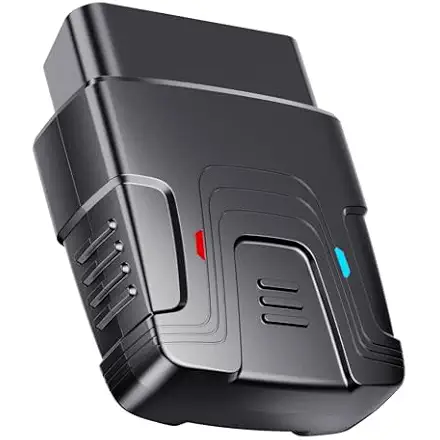


Not all scanners are created equal. They range from simple gadgets that tell you why your check engine light is on to sophisticated machines that rival what professional mechanics use. Picking the right type is the first and most important step, as it sets the stage for what you can and can't do.
- Basic Code Reader: This is the most straightforward type of scanner. Its main job is to read and clear the generic trouble codes from your engine that trigger the "Check Engine" light. It's an affordable, no-frills option perfect for quick checks and turning off that annoying light after a simple fix.
- DIY Diagnostic Tool: This is the sweet spot for car enthusiasts and savvy DIYers. These tools go beyond the engine to communicate with other crucial systems like the ABS (brakes), SRS (airbag), and transmission. They often include valuable extras like live data and basic reset functions, offering a powerful diagnostic arsenal for the home garage.
- Professional Tool: This is the top-tier option, designed for the daily grind of a repair shop. These scanners boast comprehensive vehicle coverage and advanced capabilities like bi-directional control (active tests) and module programming. They carry a professional price tag to match their extensive features.
A basic reader is great for glovebox emergencies, and a professional tool is for those who fix cars for a living. For most people who want to do their own repairs and maintenance, the DIY diagnostic tool offers the best balance of capability and cost.
How your scanner gets its information—and how it presents it to you—is a key part of its usability. The choice boils down to an all-in-one handheld unit or a compact adapter that pairs with your smartphone.
- Wired Handheld: This is the classic, self-contained scanner. It features its own screen, buttons, and a built-in cable that plugs directly into your car's OBD2 port. These units are often rugged, reliable, and ready to go right out of the box with no need for apps, batteries, or Bluetooth pairing.
- Wireless Bluetooth: This modern approach uses a small adapter (often called a dongle) that you plug into the OBD2 port. It then wirelessly transmits data to a dedicated app on your smartphone or tablet. This gives you a large, high-resolution interface and the convenience of a tiny device you can leave plugged in.
Ultimately, your preference dictates the best choice. A wired handheld tool is a durable, dedicated device that will always be ready for action in your toolbox. A wireless Bluetooth adapter is a compact, modern solution that leverages the powerful screen you already carry in your pocket.
Modern cars are packed with computers controlling everything from the engine to the windows. A scanner's "system coverage" tells you which of these computers it can talk to. The broader the coverage, the more complete a picture you can get of your vehicle's health.
- Engine: This is the absolute minimum. Every OBD2 scanner can read the powertrain control module (PCM), which is what triggers the "Check Engine" light. This is essential for any emissions or engine performance-related issues.
- ABS (Anti-lock Brakes): This allows the scanner to read and clear codes from the anti-lock brake system. If your ABS warning light is on, you need a scanner with this capability to find out why.
- SRS (Airbag): This grants access to the Supplemental Restraint System. It's necessary for diagnosing issues with your airbags and turning off the airbag warning light, a common inspection failure.
- Transmission: This lets you tap into the transmission control module to diagnose shifting problems, check fluid temperature, and troubleshoot other transmission-related faults.
- All Systems: This is the gold standard of coverage. A scanner with "All Systems" access can communicate with nearly every electronic module in the car, including the Body Control Module (BCM), HVAC, steering, infotainment, and more. It provides a dealership-level view of the vehicle's entire electronic network.
To summarize, basic engine coverage is fine for just the "Check Engine" light. However, to properly diagnose and repair modern vehicles, you really want a scanner that can at least access the four core systems: Engine, ABS, SRS, and Transmission. "All Systems" coverage is the ultimate goal for the serious DIYer.
Modern vehicles require electronic resets for many common maintenance tasks. A good scanner can perform these "special functions," saving you a trip to the dealership and empowering you to complete the job correctly from start to finish.
- Oil Light Reset: Allows you to reset the oil life monitoring system after an oil change, turning off the "Service Due" message.
- EPB Reset (Electronic Parking Brake): Places the electronic parking brake into a service mode so you can safely replace rear brake pads, and then recalibrates it afterward.
- SAS Reset (Steering Angle Sensor): Recalibrates the sensor that tells the car's stability control system which way you're steering. This is often required after an alignment or suspension work.
- BMS Reset (Battery Management System): Informs the vehicle's charging system that a new battery has been installed. This is critical for ensuring proper charging and maximizing the life of the new battery.
- ABS Bleeding: Activates the ABS pump and solenoids to cycle brake fluid through the module, which is necessary to properly bleed the brakes on most modern vehicles.
- TPMS Reset (Tire Pressure Monitoring System): Helps the vehicle relearn tire sensor positions and IDs after a tire rotation or sensor replacement.
- DPF Regeneration (Diesel Particulate Filter): Manually initiates a cleaning cycle to burn off soot from the particulate filter on diesel engines, preventing clogs and power loss.
When shopping, don't just count the number of functions. Focus on the specific resets you need for your vehicles. For most DIYers, Oil, EPB, BMS, and ABS bleeding functions provide the most day-to-day value.
For those who want to move from simply reading codes to actively troubleshooting complex problems, advanced features are a must. These capabilities separate a basic scanner from a true diagnostic tool.
- Live Data Graphing: This powerful feature displays real-time data from your car's sensors in a graph format. Instead of watching numbers fluctuate, you can visually see the performance of an O2 sensor or track fuel trims over time. It is invaluable for diagnosing intermittent issues and understanding sensor relationships.
- Battery Test: Goes beyond a simple voltage reading to perform a more comprehensive analysis of the battery and charging system. It can often check cranking health and alternator output, giving you a clear yes/no answer on the condition of your starting system.
- Active Tests (Bi-Directional Control): This is a professional-level feature that transforms your scanner from a listening device into a command tool. It allows you to send commands directly to a vehicle's modules to test individual components. For example, you can command the cooling fans to turn on, cycle the EVAP canister vent solenoid, or raise and lower a power window, instantly confirming if the component and its circuit are working.
- FCA Secure Gateway Access: On newer (2018+) Fiat, Chrysler, Dodge, Jeep, and Ram vehicles, a security module blocks unauthorized tools from performing commands like clearing codes or running tests. A scanner with FCA Secure Gateway access (which usually requires an AutoAuth subscription) can bypass this security, allowing full diagnostic functionality.
Of all these, bi-directional control is the single most powerful feature for troubleshooting. It allows you to test a component directly without having to remove it from the vehicle, saving an immense amount of time and diagnostic guesswork.
If you opt for a wireless Bluetooth scanner, the companion app is your entire user experience. The quality of the software is just as important as the quality of the hardware dongle itself, so it pays to do a little research.
- iOS (iPhone & iPad): This indicates that the scanner's required application is available on the Apple App Store and is designed to work with iPhones and iPads.
- Android: This means the scanner pairs with an application found in the Google Play Store, making it compatible with the vast majority of non-Apple smartphones and tablets.
Before you purchase a wireless scanner, take a moment to look up its app in your phone's app store. Read the recent reviews to check for common complaints about connectivity issues, bugs, or hidden subscription fees. A highly-rated, frequently updated app is a strong indicator of a quality product and good manufacturer support.
The OBD2 scanner market is vast, but several brands have consistently risen to the top by offering reliable products, powerful software, and good support. Sticking with a reputable brand is often a wise investment.
- Autel: A giant in the diagnostics world, Autel offers an incredibly wide range of products, from simple DIY code readers to dealership-level professional stations. They are known for their user-friendly interfaces and extensive vehicle coverage.
- Launch: Another top-tier brand highly respected by professionals. Launch excels at in-depth diagnostics and offers powerful tools for enthusiasts, particularly in their Creader and X431 product lines. They are often praised for their strong bi-directional capabilities.
- Foxwell: This brand has carved out a niche by offering fantastic value. Foxwell scanners frequently pack advanced functions like active tests and numerous reset features into affordable handheld units, making them a favorite among serious DIYers.
- BlueDriver: A leader in the wireless Bluetooth scanner space. BlueDriver is famous for its excellent, user-friendly app that provides detailed repair reports, including potential causes and verified fixes sourced from a massive database.
- Topdon: An emerging brand that is quickly gaining a reputation for creating innovative and powerful tools at competitive price points. They offer a modern lineup with everything from entry-level scanners to advanced pro-grade tablets.
While brand loyalty has its place, the most important thing is to choose a specific model that has the features and vehicle coverage you need. However, starting your search with well-regarded brands like these is a great way to ensure you're looking at quality tools.
Was this helpful?
Was this helpful?
Was this helpful?
Was this helpful?
Was this helpful?
Was this helpful?
Was this helpful?